Will the Final Mural Look Different from the Digital Preview?
Set realistic expectations for screens, lighting, colour, material texture, crop, panel seams and proof approval.
Article focus: pricing and measurement
Budgeting this wall with confidence
Start with accurate wall measurements; the final custom mural price depends on area, material and any finishing options.

Example application: Any room with a suitable, prepared wall · pricing and measurement
Yes. The finished mural can differ from a digital preview in colour, surface texture, fine detail and how visible the panel joins are. A screen emits light; printed ink reflects the light in your room from a particular substrate. Use the online preview to check size and crop, and an available sample of the selected finish for a more realistic impression of colour and feel. Even these two checks cannot promise an exact screen-to-wall match.
A screen emits light; wallpaper reflects it
Digital previews are made of light produced by a display. Printed colour is ink on a particular substrate viewed under the light in your room. Brightness settings, display colour profiles and ambient light can make a pale sage look cooler or warmer on-screen than it will appear on the wall. Two people can look at the same file on different devices and see noticeably different versions. Adobe’s colour-management guide explains why monitors and printers reproduce colours differently. A furnished product visualisation adds another variable: its lighting is not your home’s lighting.
Room light changes throughout the day too. A north-facing room may make muted colours feel cooler; warm lamps can make cream, peach and beige look richer. The same print may appear different next to a bright white ceiling than beside a warm off-white one. If colour coordination is critical, view a physical sample in the intended space during both daylight and evening light. Ask whether the sample shows the exact design or merely the material and general print finish.
Do not treat possible colour variation as permission for any result. Ask what the provided preview and sample represent, and assess the delivered product against the agreed order and the seller's stated terms. Keep the saved crop, any separately approved proof and any physical reference together. A perfect visual match to an uncontrolled phone display is unrealistic, but a wrong design, material or orientation is a different issue.
The substrate changes how the image is perceived
The same artwork can appear different on different finishes because surface texture and reflectance affect how its fine lines and colours are perceived. A printed photograph will also lack the backlit glow of a phone screen. Do not infer opacity, sheen or other material performance from a furnished visualisation. Read the selected material’s specification and examine a relevant sample; if wall colour or a patterned substrate could affect the result, ask about preparation and suitability before ordering.
Print detail matters as well. A digital thumbnail can hide compression, grain or a low-resolution source. Conversely, an extreme on-screen zoom can exaggerate pixels that would not be noticed at normal viewing distance. For custom photography or detailed illustration, ask for a representative section at expected print size. Inspect it close up and from the distance at which the mural will usually be seen. Artistic softness in a watercolour is different from unwanted blur in a line drawing.
Solowalls offers an A4 wallpaper sample from the product page. Select the material you are considering and confirm what design area the sample will show if exact artwork colour matters: a small sample cannot represent every part of a large mural. A sample on a different finish may help with the artwork’s general colour direction but cannot stand in for the surface you intend to buy. Compare it against the wall at the time of day when you will most often see the room.
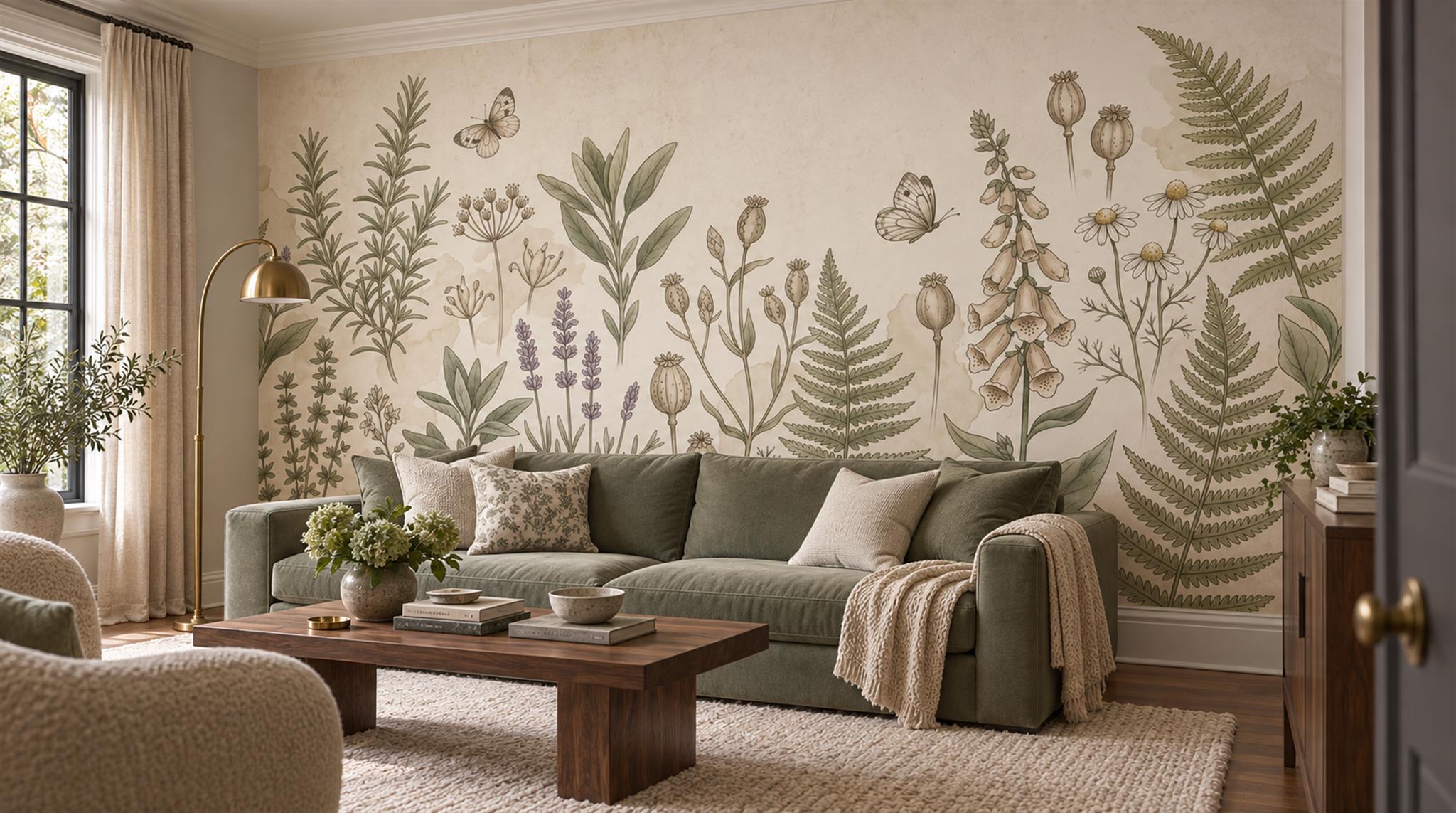
What should stay consistent with the approved proof?
Composition, orientation and crop should correspond to the version recorded with the order, allowing for the specified trim and production method. If the selected crop placed a tree on the left, it should not arrive unexpectedly mirrored. Dimensions should match the final order, and the numbered panels should form the intended scene. These are observable layout checks, unlike the subjective impression that a beige is slightly warmer under different lamps.
The checkout preview reflects the dimensions you enter. For a Solowalls mural, those dimensions should include about 10 cm (4 inches) beyond both measured wall dimensions for installation trim. Details at the outer edge of that preview may therefore disappear after fitting. Draw furniture and windows over the visible finished area, not just the larger print rectangle. A faithfully printed crop can still surprise you if fixed features were absent from the version you approved.
Seams are another difference between screen and wall. A flat digital image may display as one uninterrupted scene, while the physical mural is installed in panels. Correctly fitted seams should preserve the image, but they can be more visible at close range or in raking light. Ask how the panels join and where the seams are expected to fall if the design has precise lines or faces.
Make a useful pre-print comparison
Save the final crop screenshot rather than relying on a folder of unlabelled trial versions. Record the entered print dimensions and units alongside the actual measured wall size. Confirm the material, orientation, added trim and any agreed colour adjustment. If you are ordering from your own image, keep the original high-resolution file and the specific edited version used for the order. This record separates a production discrepancy from a memory of an earlier preview.
Where colour is important, compare a physical sample to fixed room elements such as paint, curtains or flooring. View it upright against the wall, not flat on a desk under different lighting. A small sample cannot show the full pattern scale, so pair it with the size-specific online crop. If a separate production proof is supplied, use that to check any agreed layout changes; it remains a digital image, not a substitute for the material sample.
Ask what can still be changed after an order is placed and when printing begins. If the crop is wrong, correct it before production. If the colour direction is uncertain, check the sample or request clarification before committing to a made-to-measure print. Do not approve based on a tiny phone thumbnail when the placement of a face, tree or horizon is central to the design.
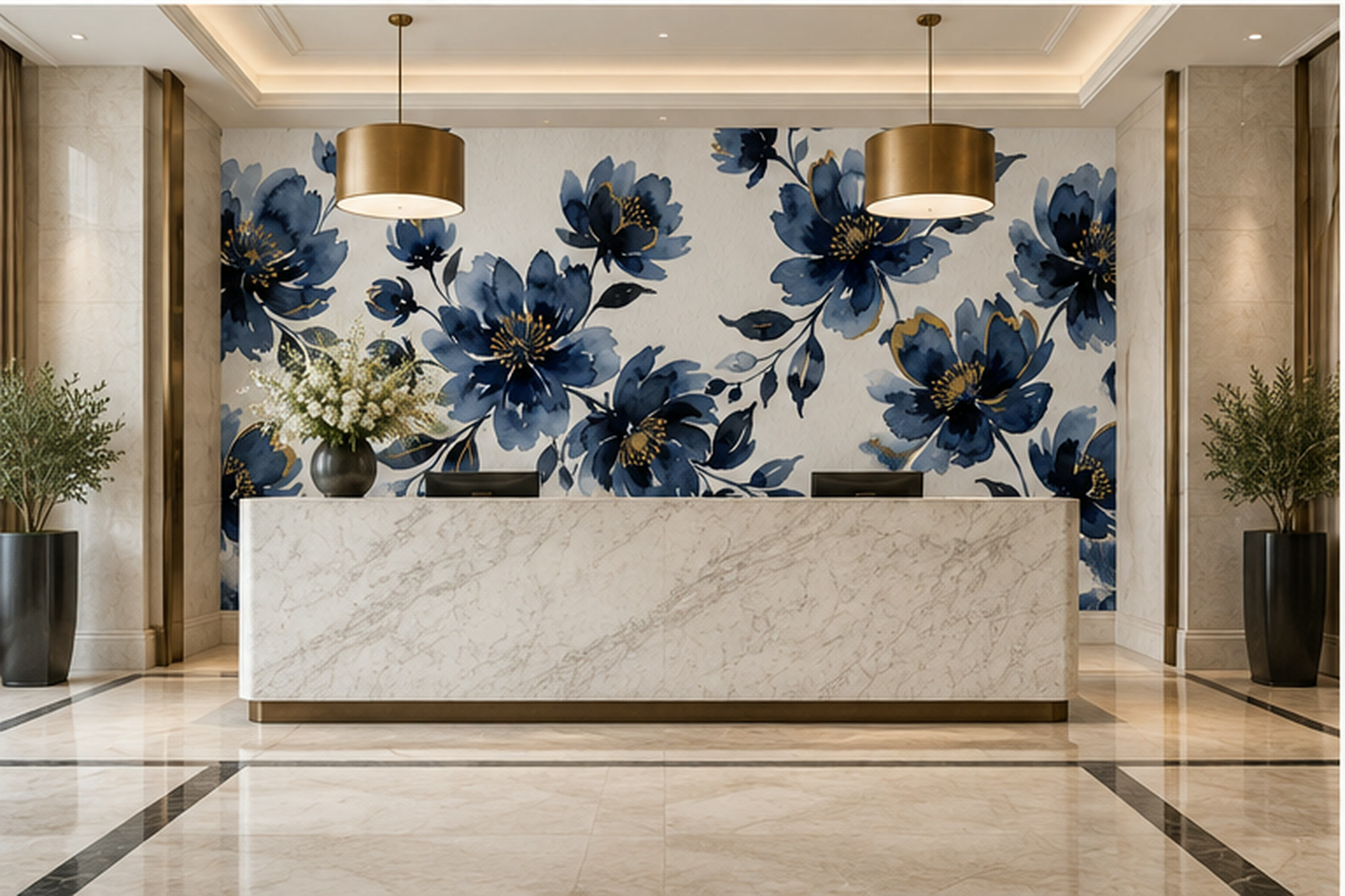
Compare the delivery against the right reference
Lay the numbered panels out on a clean surface before adhesive or trimming. Compare their dimensions, order, subject and orientation with the saved crop or approved proof. That is the layout check. Then compare colour and surface with a sample of the ordered finish under the room's actual light; that is the material check. A slightly warmer beige under an evening lamp is not the same discrepancy as a reversed landscape, missing panel or wrong substrate, so record which reference fails rather than saying only that the print “looks different”.
Photograph any clear mismatch with the order details and labels visible, keep the packaging and contact the supplier under its reporting procedure before altering a panel. A digital preview is useful evidence of the approved composition, not a calibrated colour standard; a small sample is useful evidence of printed appearance, not a full-wall crop. Using each for its proper purpose makes a genuine production error easier to distinguish from a normal difference between luminous screen and printed wall.