Is Mural Wallpaper Easy to Install? A Realistic Guide
Set realistic expectations for panel order, wall preparation, helpers, tools, first-panel alignment and professional installation.
Article focus: pricing and measurement
Budgeting this wall with confidence
Start with accurate wall measurements; the final custom mural price depends on area, material and any finishing options.
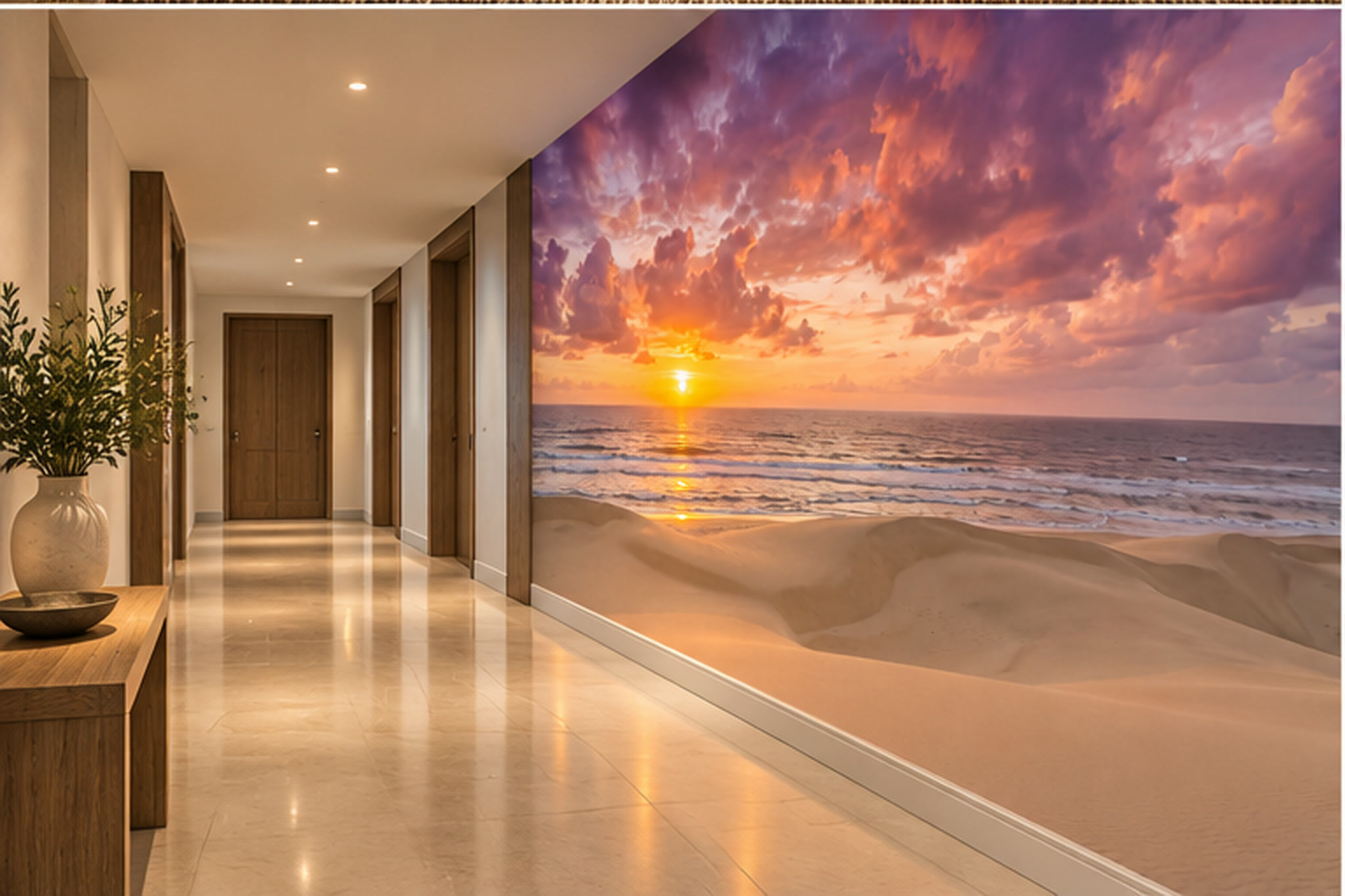
Example application: Any room with a suitable, prepared wall · pricing and measurement
“Easy to install” is only useful when it describes a particular wall and print. A smooth rectangular surface may demand little more than patient panel handling, while a similar-sized wall interrupted by doors or carrying a precise geometric design can be much harder. Assess three things before deciding who will fit the mural: the condition of the substrate, the complexity of the image and the physical access needed to control each drop. The hardest of those three usually sets the job's real difficulty.
Identify the limiting factor before fitting day
Rate the wall, image and access separately rather than calling the whole project easy or hard. For the wall, ask whether paint and plaster are sound and whether any recent coating has met the maker's curing guidance. A damp or shedding surface is a stop condition, not a minor point on a difficulty scale. A sound wall with one awkward corner is a different project from a perfectly rectangular wall whose paint will not hold the selected covering.
For the image, mark every line or subject that must continue precisely across a join. A large circle, face or level horizon makes a small placement error more conspicuous than loose foliage. For access, note the tallest reach, any stair void and whether a full-length panel can be supported without touching furniture or dragging across a floor. Extra hands may solve a handling problem; they do not repair weak plaster or make a misprinted panel align.
Finally ask whether the ordered crop and numbered panels are unambiguous for that wall. A missing panel or a subject unexpectedly hidden by a doorway is an order or layout problem, not evidence that the adhesive method is difficult. Resolve it before fitting. If the three checks produce different answers, plan around the most serious one first. The installation sequence guide explains the physical steps once the wall, image and access have passed this feasibility check.
Separate low, medium and high difficulty
A lower-difficulty project has a reachable, sound wall, no awkward openings and an image that can be checked across seams without relying on one tiny focal detail. This still requires the supplied instructions, a true vertical reference and enough room to lay out the panels. It means fewer independent problems must be solved at once. A second person may make long drops easier even when the wall itself is simple.
A medium-difficulty project might add a window reveal, several sockets or a strong horizon that must stay level across the whole scene. The amount of print is not necessarily greater, but there are more points where a small alignment or cutting choice affects the visible result. Review the crop and panel plan in advance. If the intended material has a short or uncertain adjustment window, ask its supplier or an experienced fitter how the critical joins should be handled before installation day.
A high-difficulty project combines unsafe reach, an unstable wall, complex geometry or artwork whose defining subject crosses several joins. Those are not all solved by the same helper. Loose paint calls for preparation; a stairwell calls for safe access; a face split by a seam calls for exact image placement. Treat any unresolved safety or substrate issue as a stop condition. An experienced installer can assess a difficult layout, but should not be expected to make a damp or crumbling wall sound by hanging over it.
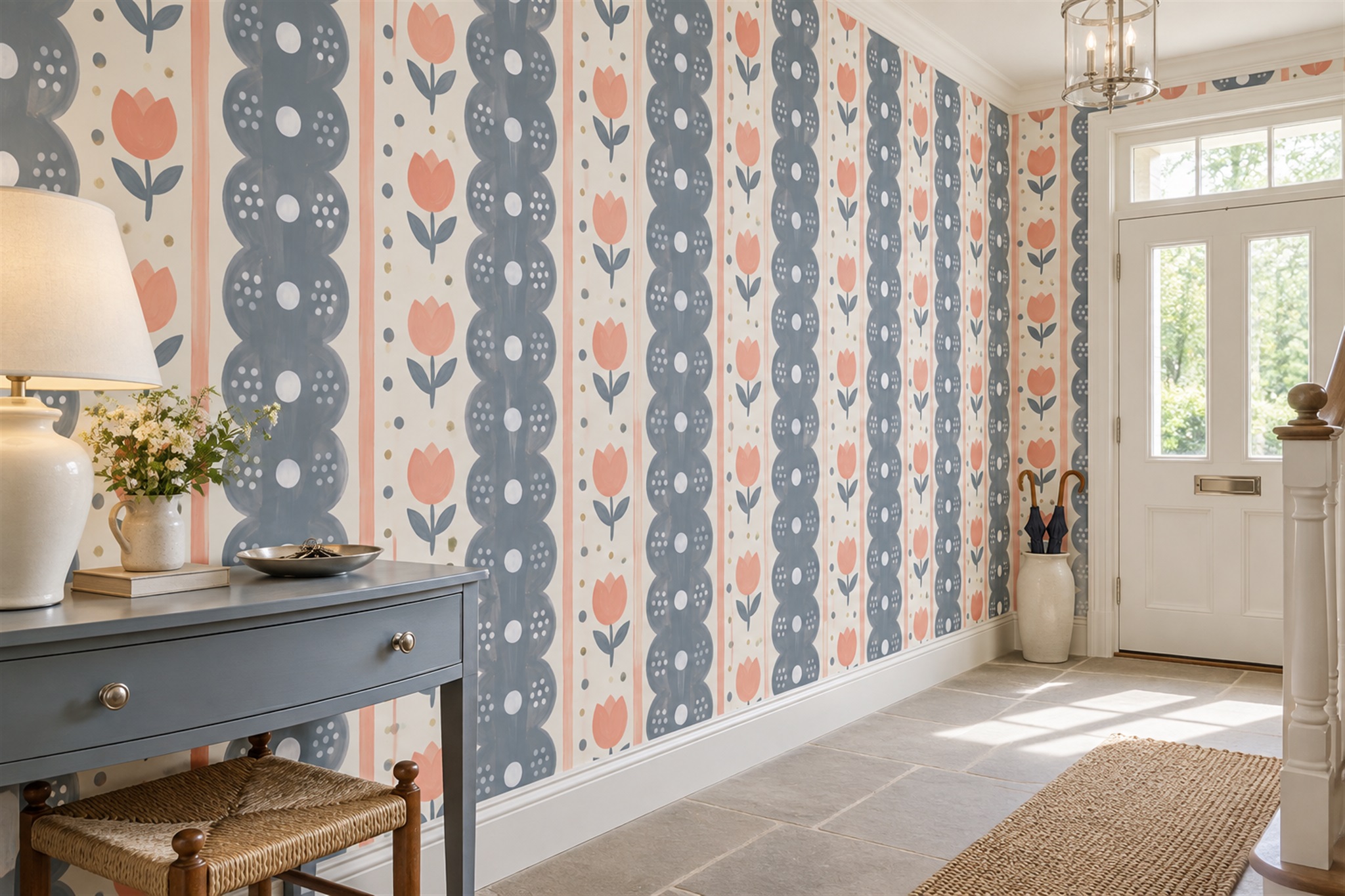
Rate the consequence of a mistake, not only its likelihood
A small bubble discovered while the panel is still workable may be a manageable fitting issue under the material's instructions. A cut made through a central subject, a missing numbered panel or a crop that places a face behind a door is different: those problems cannot be smoothed away. Review the approved image and delivered sequence before exposing adhesive. If a printed line fails to continue across two loose panels, stop and document it rather than hoping the join will become correct on the wall.
High-contrast artwork raises the cost of a small positional error. A horizon crossing a seam or a circle split between panels shows a step more clearly than foliage or clouds. A busy print may hide a minor visual variation at normal viewing distance, but it does not make a faulty substrate acceptable. Identify which seam carries the most important detail and decide who will check it during fitting. That is a more useful difficulty test than counting panels alone.
Time pressure changes the consequence too. If the room must be back in use immediately, there may be no opportunity to pause over an unexpected wall defect or panel discrepancy. Reserve a preparation and inspection period before the fitting day, and check the material's stated working and settling conditions. Do not rely on a generic one-hour installation promise for a made-to-measure wall.
Ask what needs to be decided before fitting day
Keep four answers with the order: whether the wall is prepared and dry; which material and joining method were actually supplied; where the first panel is intended to begin; and whether any doors, sockets or uneven edges affect the crop. These are not decorative details. An installer cannot rescue a central motif hidden behind a cabinet by cutting more accurately, and extra trim cannot correct a wall measured from the wrong boundary.
If you are comparing a DIY plan with a professional quote, describe those four conditions rather than sending only the product link. Ask whether the quote includes preparation, safe access, handling around fittings and final trimming. A cheap fitting price for an unprepared wall is not directly comparable with a quote that includes repairs and a checked panel plan. If the wall and print are simple, you may reasonably choose to do the work yourself after reading the exact instructions.
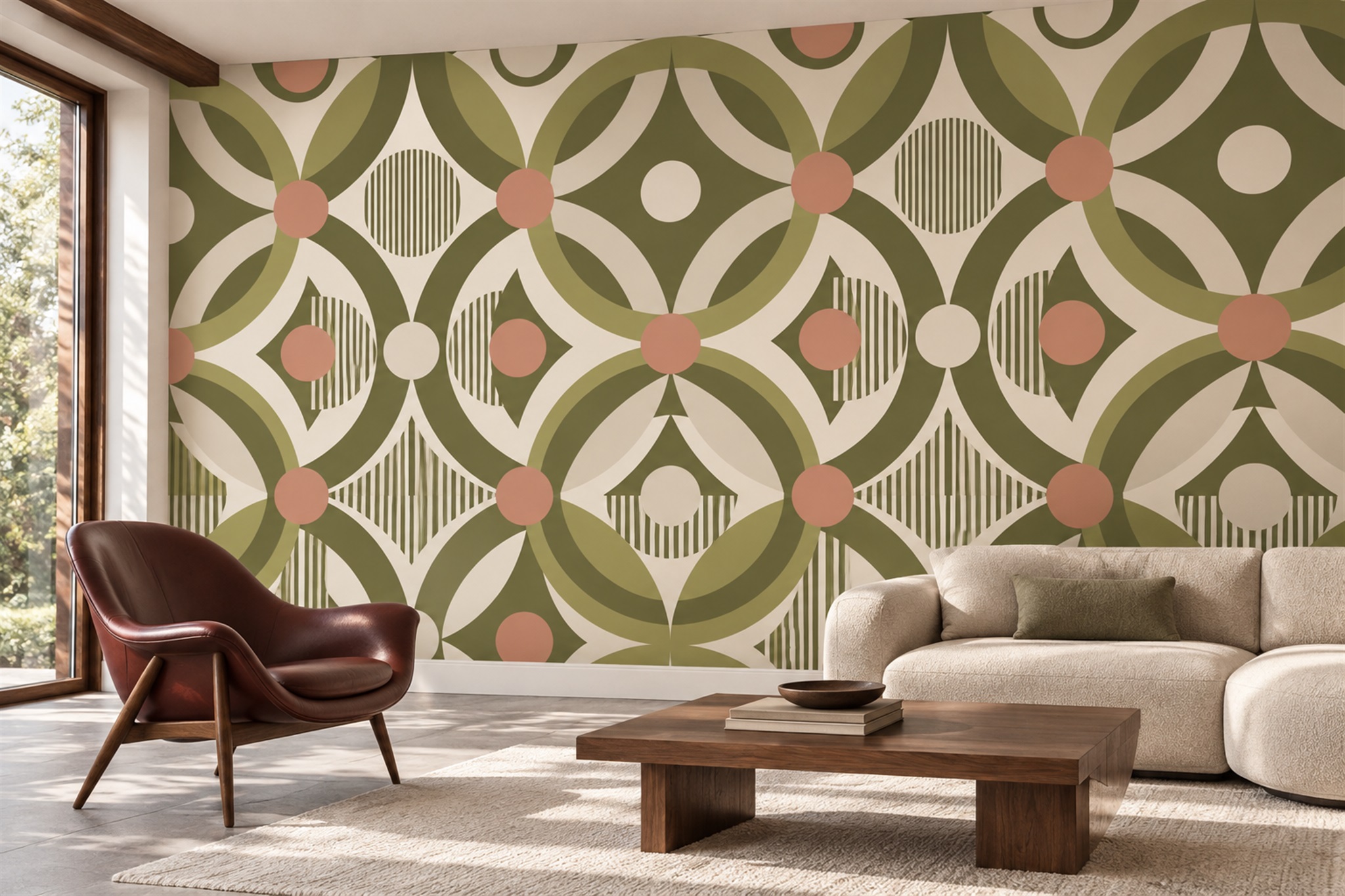
Decide whether this is a DIY wall
Use the highest difficulty rating to decide what help is needed. A sound, reachable wall with a forgiving design may be a reasonable DIY project under the supplied instructions; unsafe access or a surface defect calls for a different plan before any panel goes up. An intricate but sound wall may justify an experienced fitter even when access is straightforward. Keep this assessment distinct from the practical DIY-versus-installer decision, which also considers your tools, experience and available time. Calling a mural “easy” cannot substitute for assessing those conditions on the actual wall.