Is Mural Wallpaper Safe for Children’s Rooms?
A practical guide to substrate, room ventilation, cleaning, installation and choosing a calm design for a child’s room.
Article focus: pricing and measurement
What to settle before pricing
Start with accurate wall measurements; the final custom mural price depends on area, material and any finishing options.
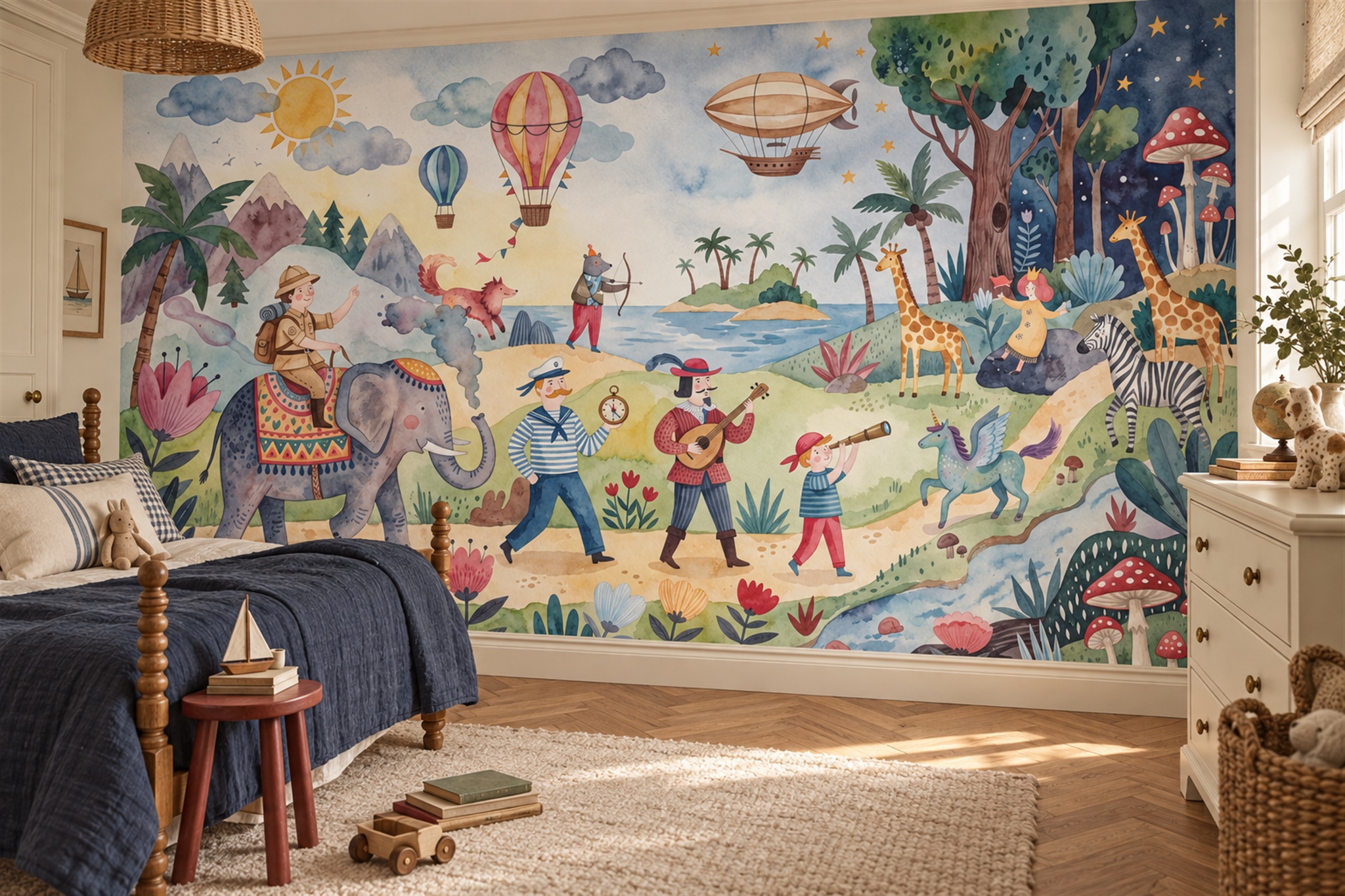
Example application: Nursery or children’s room · pricing and measurement
A mural can be used in a child’s room, but a cheerful picture does not tell you whether the finished wallcovering is suitable for that space. The decision depends on the exact material, inks, adhesive, wall condition, installation and how the room is used. Ask the seller for product-specific safety and care information rather than relying on broad claims such as “non-toxic” or “child-friendly”. A nursery wall above a cot also needs a different practical review from a playroom wall behind a desk.
Separate the artwork from the physical product
Animals, clouds, stars and soft colours can make a room welcoming, but the illustration is only the visible layer. The printed face, backing and adhesive determine how the product is fitted and cared for. A photograph of a mural in a nursery does not establish its emissions, fire classification or suitability for a particular wall. Those properties need to come from the exact product’s specification, and requirements can differ by region and building type.
Ask for the material name, installation instructions and any relevant test reports or certifications that the seller can actually provide. Check what those documents cover: the finished wallcovering, the ink, the adhesive, or only one component. Note the model, test date and region rather than assuming a certificate for a different finish applies. If you have chosen a separate paste or primer, its documentation matters too. Avoid treating a vague environmental logo or an unsupported “safe” statement as a substitute for evidence. If the supplier cannot answer a requirement that matters to your family, consider another material or another wall finish.
A useful comparison is not “cartoon print versus plain print” but one documented finish versus another. Put the exact mural material, ink information and intended adhesive on the same shortlist; flag any missing answer before discussing colours with the child. The calmer design may last through a room change, yet its appearance cannot answer the safety question.
Begin with the wall and the child’s reach
The wall should be sound, dry, clean and prepared according to the selected covering. Loose paint, damp plaster and crumbling repairs should be fixed first. A mural installed over a weak surface may lift at the edges, leaving something a child can pick at. If a toddler can reach the lower panels from a bed or changing table, consider whether a raised edge could become tempting to pull. Place furniture so it does not rub the seams or trap moisture against the wall.
Think about the room’s use at different ages. A mural high behind a cot may later sit beside a desk or play area. A child’s bed might move to the opposite wall. Choose a crop that does not rely on one furniture arrangement and keep the strongest visual subject visible above likely furniture heights. A made-to-measure mural is expensive to replace simply because a new bed covers the illustration.
Avoid installing directly over problematic surfaces merely to hide them. Dampness and mould need investigation and repair. Deep texture can reduce adhesive contact. If the wall was recently painted, check the curing period required by both the paint and mural supplier. A clean appearance on installation day does not prove the underlying wall is ready.
Plan installation when the room can be aired
Follow the manufacturer’s instructions for any paste, adhesive or primer. Keep children away from wet paste, tools, packaging and loose backing material during installation. Ventilate the work area and clean up before children return; the US EPA's home-remodelling guidance specifically calls for protecting occupants, especially children, from renovation dust and pollutants. Allow the wallcovering to dry or settle for the time specified by the products used. The exact period depends on the installation system; do not invent a universal number of hours.
If you hire an installer, tell them it is a child’s room and ask what products they plan to use in addition to the printed panels. A product report for the mural does not automatically cover an unapproved primer or adhesive chosen on site. Keep the packaging and instructions so you can identify what was installed later. If a noticeable odour or other concern persists, follow the supplier’s guidance and seek appropriate professional advice rather than assuming it is normal.
Panel order and seam quality matter practically. Align the first panel to a true vertical reference, smooth each panel without stretching it and finish edges as directed. A poorly cut edge near the skirting may be more accessible to small hands. Do not add tape or glue as an improvised fix to an edge that repeatedly lifts; investigate why it is failing.
Cleaning and everyday wear
Children’s rooms collect fingerprints, crayon marks and occasional spills. Ask what cleaning method is approved for the exact finish. A softly printed non-woven surface may have different care limits from a vinyl-faced option. Do not assume “wipeable” means resistant to vigorous scrubbing or strong household cleaners. Try the gentlest approved method on an offcut before treating a visible mark, and avoid soaking seams.
A heavily used play area may be better served by placing the mural above a wipeable lower wall treatment or behind furniture that prevents direct rubbing, provided that arrangement fits the design. Check that any additional trim or protective layer is compatible with the installation. Alternatively, choose a wall less exposed to hands and toys. The aim is to reduce maintenance without promising that any printed surface will remain pristine.
Keep spare offcuts, the order reference and a photo of the final wall. If a panel is damaged, ask whether a replacement can match the original print. Colour or material availability can change, and a single new panel may not match an older installation exactly. That possibility belongs in the decision if the mural is intended to last through several stages of childhood.
Make the final decision with evidence
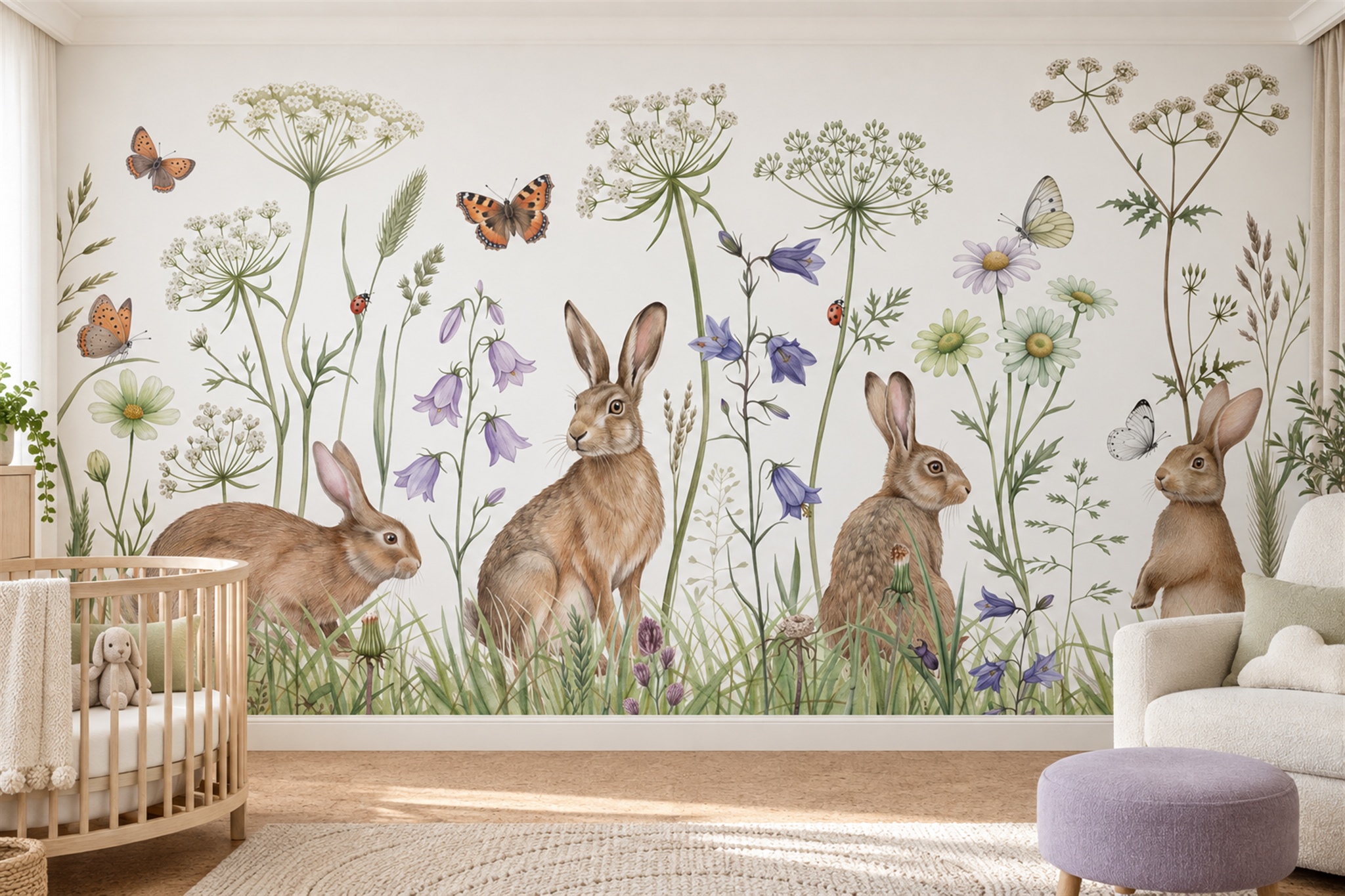
After fitting, look at the mural from the child's position as well as an adult's. Check lower seams and corners within reach from the floor, bed or changing surface, and inspect them again during ordinary room use; a lifting edge is a maintenance issue, not a feature to conceal with unapproved tape. Keep the product and adhesive instructions so a future cleaner or decorator knows what is on the wall. The illustrated circus room demonstrates a possible visual setting, not a safety certification. A documented finish, sound substrate, suitable installation and realistic care plan must support the decision independently of the artwork.