Is Mural Wallpaper Washable and Easy to Clean?
Learn the difference between wipeable, washable and waterproof, plus safe cleaning habits that protect seams and printed surfaces.
Article focus: installation and removal
What the installer needs to know
The right installation method depends on the chosen material and wall condition, so prepare the wall before ordering and follow the material-specific instructions.
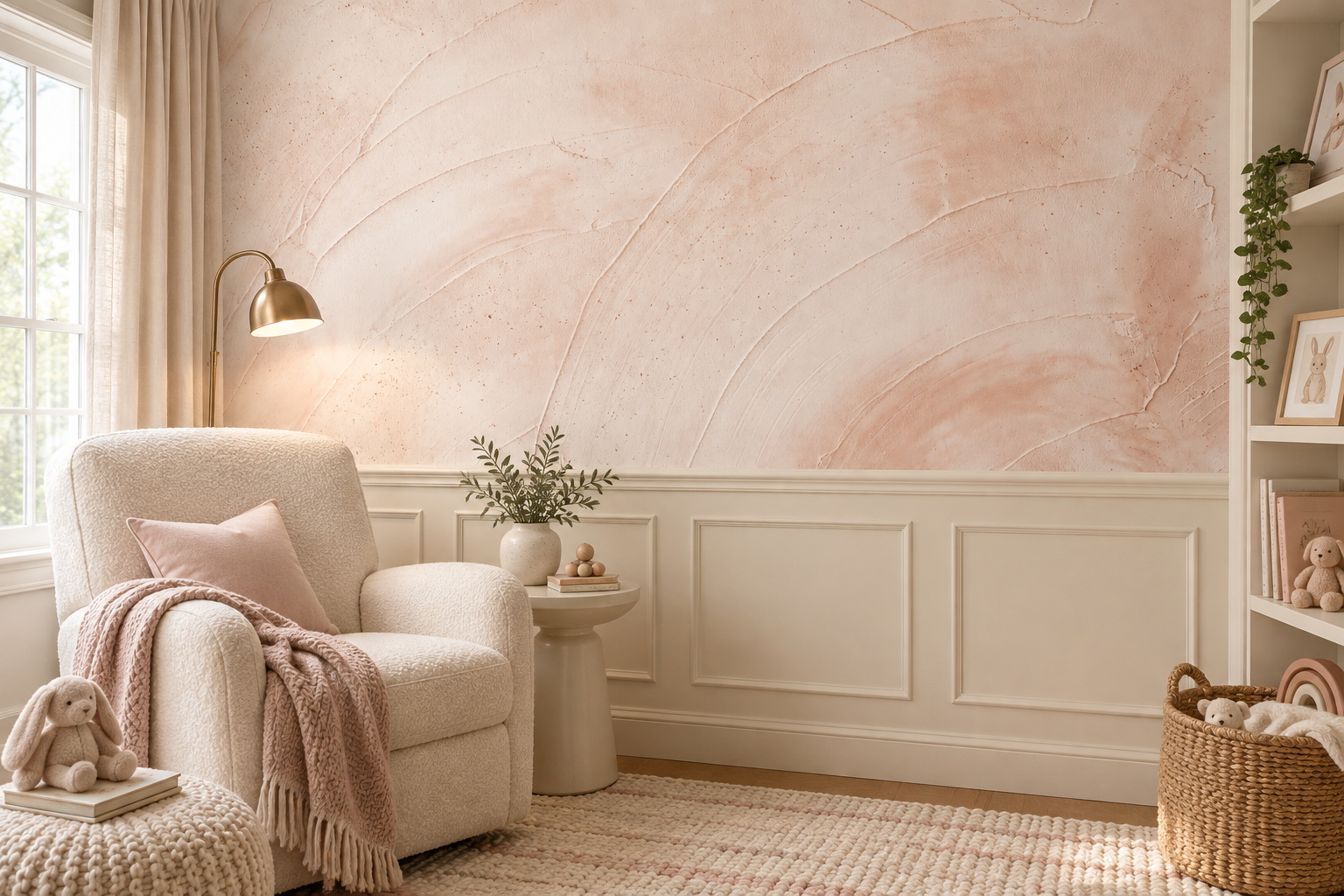
Example application: Bedroom · installation and removal
Is a mural easy to clean? The answer should come from the specification for the selected print finish, not the word “vinyl” or a photograph of a spotless room. Before ordering, separate three questions: which marks the surface is rated to resist, what cleaning method is permitted, and whether the installed wall can tolerate the room's moisture and contact. A finish may pass one test and still be a poor choice behind a sink or beside a frequently moved chair.
Decode the language on the product page
“Wipeable” may be a seller's informal description, so ask what it means for that product. The Wallcoverings Association defines washable as tolerating occasional sponging with a prescribed detergent solution; its definition of scrubbable involves a brush and prescribed solution. Stain resistance and abrasion resistance are separate characteristics. None of these words, by itself, certifies that an installed mural is waterproof at joins and cut edges.
Consider the complete wall system, not just the printed face. Water can enter at a panel join, a cut-out around a socket, the edge of a frame or the skirting line. A face that resists a splash does not make the backing, adhesive or painted wall behind it impervious to water. If the mural is intended for a bathroom or kitchen, ask separately about room suitability and cleaning. Those are related but not identical questions.
Product photographs are no help with washability. A smooth-looking print may have a delicate matte surface; a visibly textured mural may use a more resilient coating. A physical sample and written care instructions tell you more than a styled room photograph or a material name alone.
Request a usable care specification before buying
Ask for the care sheet for the exact print-and-material combination, not a general brochure for a family of wallcoverings. It should identify permitted tools, solutions and any conditions on how often or how firmly the surface may be cleaned. If the site offers non-woven, vinyl, heavy and peel-and-stick options for the same artwork, do not assume a statement attached to one finish covers the others. The printed decorative layer and backing can differ.
Put a real scenario to the supplier: “If a handprint appears on this hallway mural, what method is allowed?” or “Can this finish withstand repeated chair contact beside a dining table?” A response that only says “easy care” does not tell you which cleaner, amount of moisture or degree of rubbing is permitted. Ask whether the same guidance applies to the panel seams and exposed edges. Keep the written answer with the order details.
A material sample helps judge colour and surface feel, but a quick home wipe is not a formal performance rating. A small sample may dry without a mark after one gentle pass yet change sheen after repeated cleaning. Use a sample to notice potential issues, then rely on product-specific documentation for the cleaning method. The Wallcoverings Association's care guidance likewise directs users to the manufacturer because wallcoverings differ.
Match the rating to the likely exposure
Put the likely mark and the permitted response side by side before deciding that a finish is easy to maintain. Dry dusting in a bedroom is not the same test as lifting a food stain beside a table. An occasional damp sponge may be allowed where a brush, alkaline degreaser or repeated wet wiping is not. Ask which action is approved for each likely mark; if the answer is unclear, do not treat a broad washability label as permission to improvise.
In a bedroom, occasional dust may be the main concern. A dining nook may face chair rubs, fingerprints and food marks. A kitchen work wall can add grease and repeated wiping; a sink or vanity wall adds direct splashes near seams. These are different specifications, even when the same design suits all four rooms visually. Choose the location first, then ask whether the proposed finish's documented care limits meet that location.
Think in combinations rather than one attractive claim. If the main risk is chair abrasion, a washable rating alone does not answer whether repeated contact will polish or scuff the print. If the concern is coloured food marks, a statement about occasional sponging does not establish stain resistance. If the wall is repeatedly wet, a wipeable printed face does not establish that backing, adhesive and joins are suitable. Ask about the particular exposure instead of buying the finish with the strongest-sounding adjective.
Where documentation is missing, reduce exposure rather than inventing performance. Move the mural to a drier wall, leave clearance behind chairs or choose a different wall finish for the high-contact lower section. A protective panel may be possible in some settings, but it needs its own appropriate specification and installation. The decision is about the complete wall, not a label detached from where the mural will hang.
Finish, colour and light affect what you notice
A dark, high-contrast scene can make pale dust conspicuous; a very light scene may show hand marks. Matte surfaces can reveal polished patches caused by repeated rubbing, while some textured finishes can trap dirt in their relief. The best-looking print in a sample may not be the easiest to maintain in a busy corridor. View samples at normal distance and under side light, where changes in sheen become more visible.
Ask whether the sample uses the same protective finish as the full mural. If several materials are offered with identical artwork, test the finish you intend to order. Comparing a vinyl sample with a non-woven product photograph does not answer the care question. The material specification should also state whether any coating or edge treatment is required for the intended room.
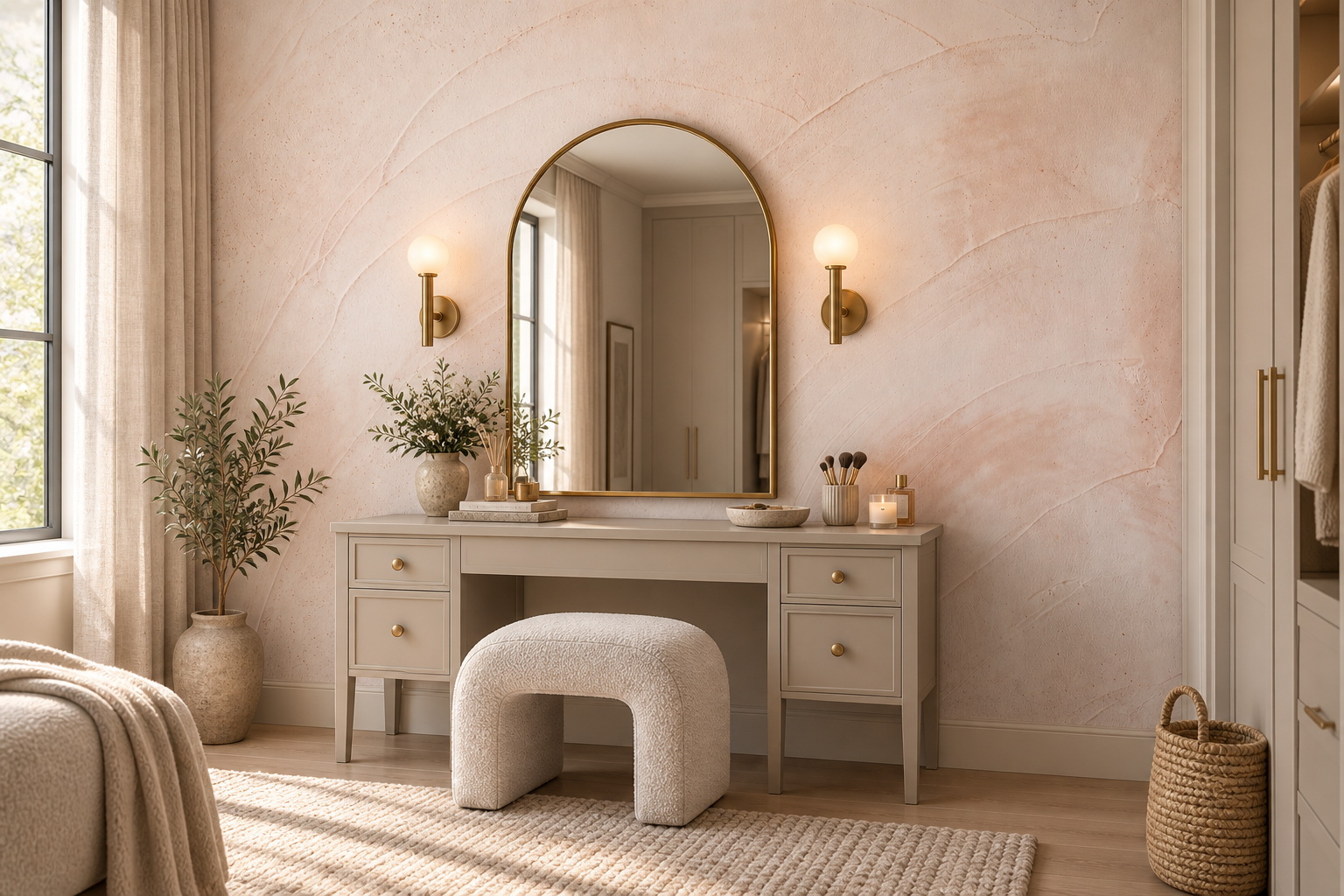
Use only the approved cleaning method
Keep the finish-specific sheet with the order and test only a permitted method on an offcut or discreet area when a mark first appears. Stop if colour transfers, the print swells or the sheen changes. If the room routinely demands a cleaning process the supplier cannot approve, the mural is not easy to maintain there, however effortless the same print may be to dust in a quiet bedroom. Move the artwork to a less exposed wall or specify an appropriate protective finish for the working zone rather than improvising a stronger cleaner later.